Source Korean Style Breathable Teen Sneakers for School, Sports, and Daily Wear
Explore 30 listings of Korean style breathable teen sneakers designed for school, sports, and daily wear. Buyers can compare features like waterproofing, sole materials, and sizing options from suppliers in Guangdong and Fujian.
Key considerations
Products List
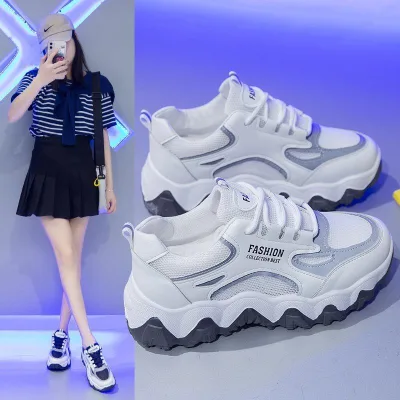


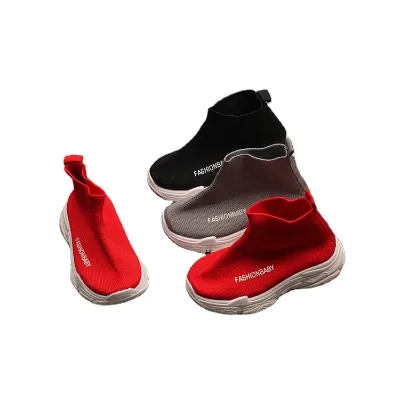
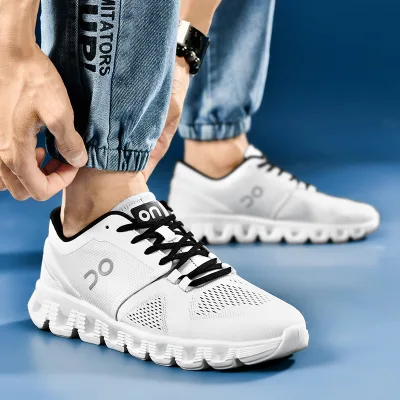
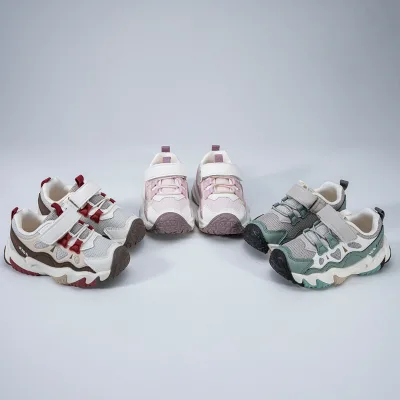
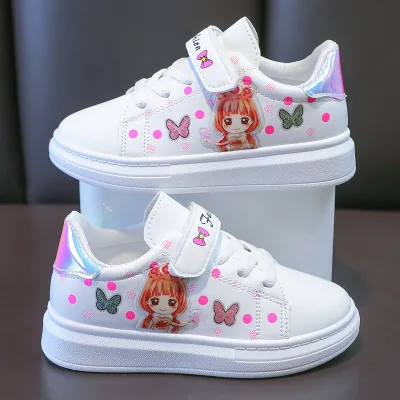


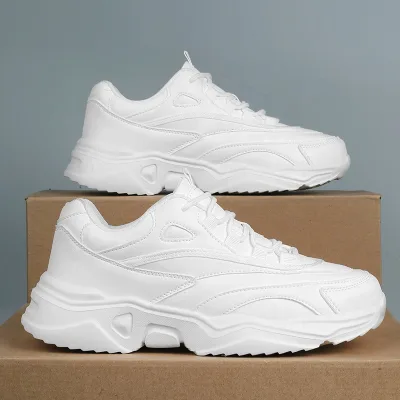

Comprehensive Sourcing Guide
Strategic Sourcing Framework for Korean Style Breathable Teen Sneakers
The global market for youth footwear has evolved significantly, with "Korean style" emerging as a dominant aesthetic trend characterized by clean lines, minimalist silhouettes, and a blend of athletic functionality with casual streetwear appeal. For procurement professionals targeting this specific niche, the search term "Korean style breathable teen sneakers" requires a nuanced approach that balances aesthetic verification with rigorous technical due diligence. The following guide outlines the essential factors for sourcing these products, grounded in observed market data and standard industry practices for footwear manufacturing.
Defining the Aesthetic and Functional Specifications
The primary challenge in sourcing "Korean style" footwear lies in translating a visual trend into concrete technical specifications. In the context of the current market, this style often manifests through specific material choices and construction methods. Observed product data indicates a strong preference for upper materials that balance durability with the "breathable" requirement central to the search query. While some listings highlight "Pu" (Polyurethane) for a sleek, leather-like finish, others explicitly specify "Breathable Mesh" to meet the functional needs of active teenagers.
The construction of the upper is critical. A successful Korean-style sneaker typically features a "Round Toe" shape, which aligns with the soft, approachable aesthetic popular in East Asian fashion. The closure type observed in high-volume listings often includes "Button" mechanisms or elastic systems, moving away from traditional laces to offer a streamlined look. Furthermore, the color palette is a key differentiator. While solid colors like "Black" and "White" remain staples, the "Mixed Color" and "Plaid" patterns noted in specific product attributes suggest a market segment that embraces the eclectic, youthful energy associated with Korean street fashion.
| Feature Category | Common Observed Attributes | Procurement Verification Point |
|---|---|---|
| Upper Material | Pu, Breathable Mesh, Creel | Verify breathability rating and material composition. |
| Outsole Material | Rubber, PHYLON | Check for flexibility and slip resistance. |
| Lining Material | Cotton Fabric, Other | Assess comfort and moisture-wicking properties. |
| Style Variants | Leisure, Korean-style, Running Shoes | Confirm silhouette matches "Korean" aesthetic. |
| Color Options | Black, White, Mixed Color, Plaid | Ensure color consistency across production batches. |
Technical Compliance and Material Standards
When sourcing footwear from major manufacturing hubs like Guangdong and Quanzhou, Fujian, buyers must navigate a complex landscape of material standards. The "Korean style" label does not inherently guarantee compliance with international safety or environmental standards; therefore, verification is mandatory. The observed manufacturing processes include "Adhesive," "Vulcanized," and "Sewn" techniques. Each method presents distinct quality control challenges. Adhesive bonding requires strict control over glue application to prevent delamination, while vulcanization demands precise temperature and time management to ensure the rubber outsole bonds correctly to the upper.
A critical area of verification is the "Upper Material" and "Outsole Material." While "Rubber" is a standard for durability, the specific compound used determines the "Non-Slip" and "Wear-resistant" claims. Similarly, the "Lining Material," often cited as "Cotton Fabric," must be verified for hypoallergenic properties and breathability, especially for teen demographics with sensitive skin. Buyers should request Material Safety Data Sheets (MSDS) for all chemical components, including adhesives and dyes, to ensure compliance with REACH regulations in Europe and similar standards in North America. The "Waterproof" attribute observed in some listings requires specific testing protocols, such as hydrostatic head tests, to validate the claim rather than relying on marketing terminology alone.
Cost Drivers and Pricing Dynamics
Understanding the cost structure of Korean-style sneakers is essential for budgeting and margin analysis. The price range observed in the market spans from $1.78 to $52.00 USD, a variance that reflects differences in material quality, brand positioning, and order volume. The lower end of this spectrum typically corresponds to products with synthetic uppers, basic rubber soles, and standard packaging. The higher end often involves premium breathable mesh, specialized cushioning technologies like PHYLON, and more intricate design elements such as "Silk screen printing" for logos or "Popular Designs."
The Minimum Order Quantity (MOQ) is a significant cost driver. Data indicates an MOQ range of 1 to 600 pairs, with a common benchmark of 10 pairs for mixed styles or initial trials. However, larger orders often unlock better unit pricing. Buyers must calculate the "Single Gross Weight" and "Single Package Size" to determine logistics costs. For instance, a product with a gross weight of 0.800 kg and a package size of 30x20x3 cm will have different shipping economics compared to bulkier, heavier footwear. The "Customization" availability also impacts cost; adding custom logos or specific colorways usually incurs setup fees and higher MOQs.
Supplier Evaluation and Origin Verification
The geographic origin of the product is a primary indicator of supply chain capability. The data highlights two key manufacturing regions: Guangdong and Quanzhou, Fujian. Guangdong is renowned for its advanced manufacturing infrastructure and ability to handle complex designs, while Quanzhou is historically significant for its shoe production capabilities. When evaluating suppliers, buyers should verify the "Place of Origin" listed on the product page against the supplier's actual factory location. Discrepancies here can indicate trading companies misrepresenting their capabilities or potential issues with supply chain transparency.
Supplier evaluation should extend beyond the product page. Buyers must assess the "Manufacturing Process" capabilities. A supplier offering "Adhesive, Vulcanized, and Sewn" processes demonstrates versatility, which is crucial for producing the diverse styles required in the Korean sneaker market. The "Brand Name" field, such as "Zeyo," indicates that some suppliers operate with their own branding, while others offer OEM/ODM services. For buyers seeking private label options, the "Customization" and "Logo Graphic Design" attributes (e.g., "Silk screen printing") are vital. However, buyers must verify that the supplier has the technical capacity to execute these designs without compromising the structural integrity of the shoe.
Quality Control Protocols and Inspection Standards
Quality control in the footwear industry is non-negotiable, particularly for products marketed as "High Quality" and "Durable." The "Functions" listed, such as "Non-Slip," "Lightweight," and "Durable," must be validated through physical testing. A "Non-Slip" claim requires friction coefficient testing on various surfaces, while "Lightweight" claims should be verified against the actual weight of the finished product. The "Season" attribute, covering "Winter, Summer, Spring, Autumn," implies a need for versatile materials that perform across temperature ranges, which is a significant engineering challenge.
Inspection protocols should focus on the "Single package size" and "Single gross weight" consistency. Variations in these metrics can indicate poor quality control in the assembly line. Additionally, the "Pattern Type," such as "Solid color" or "Plaid," requires visual inspection to ensure color fastness and pattern alignment. The "Toe Shape" must be consistent across all units to maintain the aesthetic integrity of the "Korean style." Buyers should implement a Third-Party Inspection (TPI) protocol that includes pre-production sample approval, during-production checks, and pre-shipment inspections. The "Waterproof" feature, if claimed, must be tested on a sample batch before full production approval.
Long-Term Procurement and Market Adaptability
Sourcing "Korean style breathable teen sneakers" is not a one-time transaction but a strategic partnership requiring long-term planning. The "Design" attribute, described as "Popular Designs," suggests a fast-fashion cycle where trends shift rapidly. Procurement strategies must be agile enough to adapt to changing consumer preferences. The "Customization" availability allows buyers to differentiate their product line, but it requires a reliable supplier who can maintain consistency over time.
The "Selling Units" being "Single item" indicates a potential for drop-shipping or direct-to-consumer models, which influences packaging requirements. The "prod_packing" option of "Box or as Your Requiry" offers flexibility but requires clear communication to avoid damage during transit. Buyers should also consider the "prod_standard" dimensions (e.g., 34x23x12 cm) for warehouse planning and inventory management. As the market evolves, the "Feature" set, including "Breathable," "Resilient," and "Waterproof," will likely expand. Procurement teams must stay informed about new material technologies and manufacturing processes to maintain a competitive edge.
Conclusion
Successfully sourcing Korean-style breathable teen sneakers requires a meticulous approach that combines aesthetic awareness with rigorous technical verification. By focusing on the specific material attributes, manufacturing processes, and compliance standards observed in the market, buyers can mitigate risks and ensure product quality. The wide price range and diverse MOQ options provide flexibility for businesses of all sizes, but the key to success lies in thorough supplier evaluation and robust quality control measures. As the market continues to evolve, maintaining a strategic partnership with suppliers who can adapt to changing trends while adhering to strict quality standards will be essential for long-term growth in this dynamic sector.
FAQs
What materials are used for the upper of these sneakers?
The upper material varies between Pu and breathable mesh depending on the specific model. Some listings also specify creel as an alternative upper material to ensure durability while maintaining the required breathability for teen wear.
Can I customize the logo on these sneakers?
Yes, customization is available for these products with options like silk screen printing for logos. Buyers should note that custom designs may require specific order quantities and setup fees depending on the manufacturer's capacity.
What is the typical minimum order quantity for these shoes?
The minimum order quantity ranges from 1 to 600 pairs, with 10 pairs being a common benchmark for mixed styles. This flexibility allows buyers to test the market with small trials or scale up for larger inventory needs.
Which manufacturing processes are used for these sneakers?
Manufacturing processes include adhesive bonding, vulcanization, and sewing techniques. These methods are selected based on the specific design requirements to ensure the outsole bonds correctly and the upper structure remains durable for daily wear.
Where are these sneakers typically manufactured?
These sneakers are primarily manufactured in Guangdong and Quanzhou, Fujian, China. Buyers should verify the specific place of origin listed on the product page to ensure it matches the supplier's actual factory location for transparency.
What features ensure the sneakers are suitable for teens?
Key features include breathable materials, non-slip soles, and lightweight construction for active use. The design often incorporates popular trends like mixed colors or plaid patterns to appeal to the youthful aesthetic associated with Korean style.